
Approaches To Learning

Navigating the Path to Lifelong Learning
The Approaches to Learning (ATL) framework is dynamic and interconnected, much like the atom that forms the foundation of this visual model. Each skill—research, thinking, communication, self-management, and social skills—operates independently while often overlapping, reflecting the fluid nature of learning.
The compass at the core symbolizes the limitless directions learning can take, empowering learners to adapt, innovate, and grow in any path they choose. Together, these elements create a framework that guides students on their journey to becoming self-driven, globally-minded individuals.
Five Core Skills for Lifelong Learning
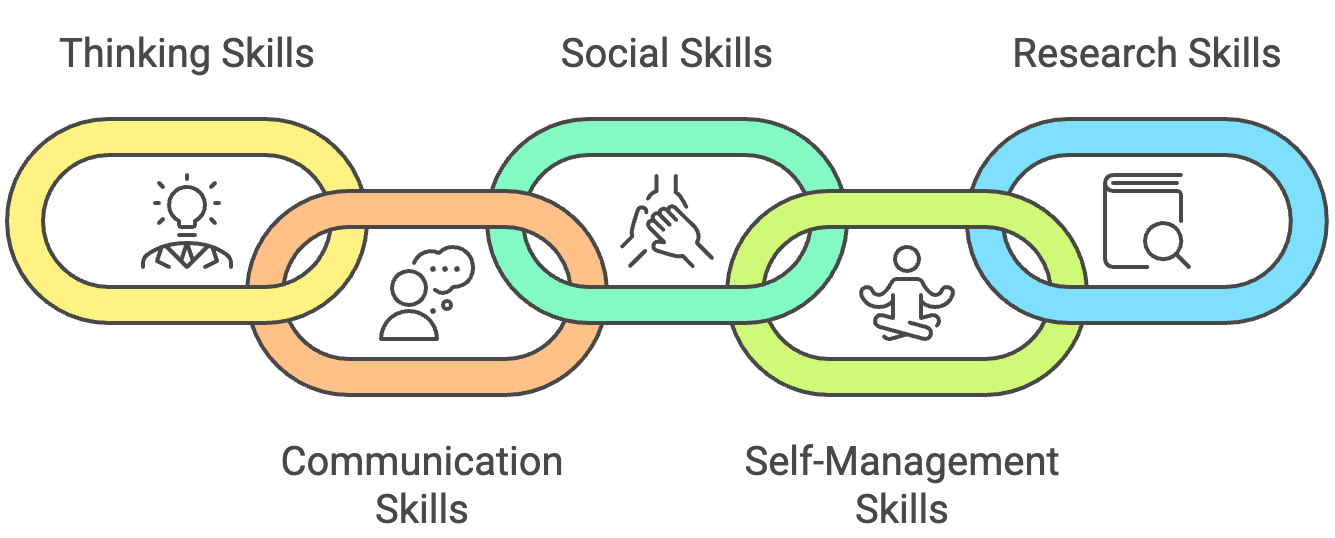
ATL emphasizes five key skill areas—thinking, communication, social, self-management, and research. These skills are woven into all aspects of the learning process, ensuring that students do not merely learn content but also how to learn effectively.
.1
Thinking Skills:
Encouraging students to use critical and creative thinking to analyze complex problems and make reasoned decisions. This involves engaging in inquiry, problem-solving, and the synthesis of new ideas.
.2
Communication Skills: Promoting clear, effective communication in a variety of forms and contexts. Students practice expressing themselves confidently in both oral and written formats, making learning a collaborative, expressive experience.
.3
Social Skills: Building the capacity for effective collaboration, teamwork, and empathy. ATL aims to foster respectful and productive interactions among peers, which supports an inclusive and positive learning environment.
.4
Self-Management Skills: Empowering students to take responsibility for their own learning. This involves skills like time management, goal setting, and self-reflection—crucial components for achieving personal growth.
.5
Research Skills: Encouraging learners to develop their abilities to locate, evaluate, and effectively use information. ATL teaches students how to formulate questions, conduct investigations, and critically evaluate sources.
A Framework for Real-World Relevance
By focusing on these skill areas, ATL helps students connect classroom learning with real-world applications. It shifts learning beyond the memorization of facts to developing transferable skills that students use across all subjects and contexts. This approach makes learning an active, dynamic process where students engage deeply with content, make connections across disciplines, and apply their understanding to meaningful challenges.
Supporting Diverse Learning Needs
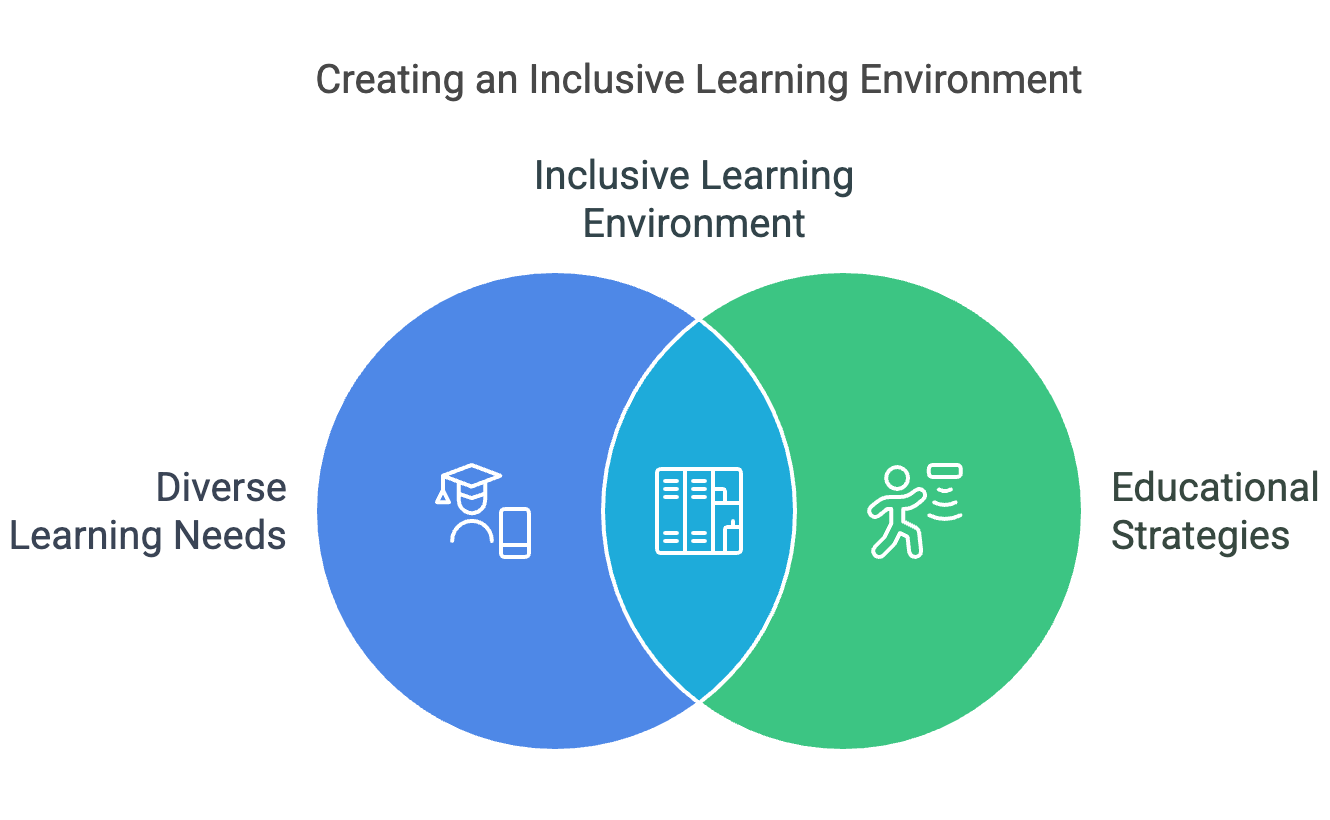
ATL also plays an essential role in supporting a diverse range of learners. By equipping students with strategies tailored to their individual needs, teachers can differentiate instruction and provide opportunities for every learner to succeed. For instance, students may employ various research methods, organize their time in unique ways, or collaborate with peers using different communication styles—all aimed at fostering an inclusive environment.
A Commitment to Lifelong Learning
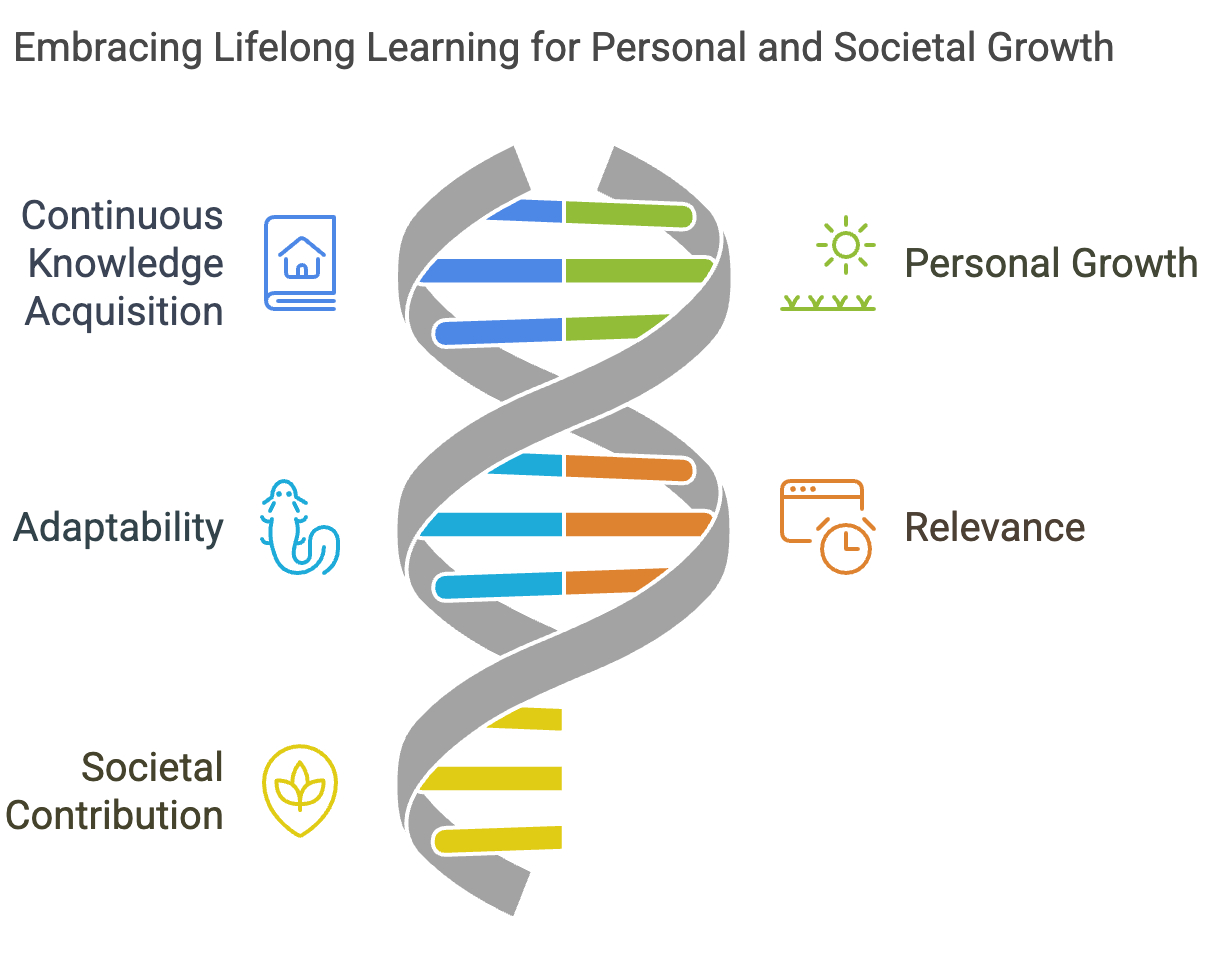
Ultimately, Approaches to Learning are about fostering independence, adaptability, and resilience. Students learn how to reflect on their own learning, understand their strengths, and identify areas for growth. This not only prepares them for academic success but also empowers them to be active, compassionate, and responsible members of their communities.
By integrating ATL into the classroom, educators help develop learners who are not only knowledgeable but are also equipped with the skills needed to thrive in a rapidly changing world.